Quality in Commercial Cleaning Without Advanced Systems – How Do You Assess and Document It?

Quality in Commercial Cleaning Without Advanced Systems – How Do You Assess and Document It?
Quality in commercial cleaning isn’t just about spotless floors and shiny surfaces. It’s about trust, consistency, and the ability to deliver reliable results day after day. Many companies associate quality assurance with digital tools, sensors, and automated reports. But what if you don’t have access to advanced systems? How can you still assess and document quality in a credible and efficient way?
Here’s a practical guide to maintaining and proving quality in commercial cleaning—without heavy investments in technology.
What Does Quality Mean in Cleaning?
Quality in cleaning can be defined as the degree to which the service meets the client’s expectations and agreed standards. It’s not only about how clean a space looks, but also about hygiene, safety, and consistency over time.
Quality should always be evaluated from three perspectives:
- The result – Is the space clean and up to standard?
- The process – Was the work performed correctly and safely?
- The experience – Is the client satisfied with communication and service?
When you’re working without digital systems, it becomes even more important to have clear routines and simple methods for following up on these three areas.
Læs også:



Use Visual Inspection as a Foundation
The most direct way to assess cleaning quality is through visual inspection. It requires no technology—just a trained eye and a systematic approach.
Create a checklist for each area to be cleaned. It might include items such as:
- Are floors free of dirt and stains?
- Are surfaces wiped clean without streaks?
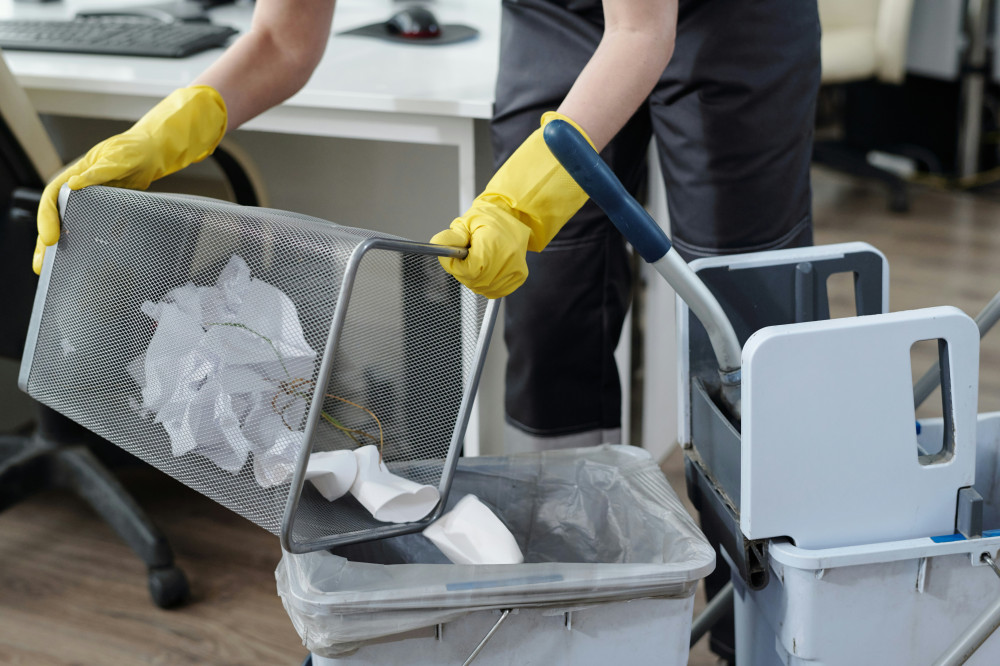
- Are trash bins emptied and liners replaced?
- Are restrooms clean, stocked, and odor-free?
A simple paper or mobile-based checklist allows you to document what was inspected and when. This provides both oversight and proof of performance if questions arise later.
Engage Your Cleaning Staff in Quality Work
Quality isn’t created by inspections alone—it’s created by people. When cleaning staff understand what quality means to the client and take ownership of the results, performance improves significantly.
Hold short, regular meetings to review experiences, challenges, and improvement ideas. Consider using a whiteboard or bulletin board where employees can post observations or suggestions. This fosters engagement and makes quality a shared responsibility.
Another effective method is peer review—having team members occasionally check each other’s areas. Fresh eyes can spot details that might otherwise be missed and strengthen teamwork.
Document with Simple Tools
Even without digital systems, you can still document quality in a professional way. Here are some practical methods:
- Paper forms – Use standardized inspection sheets signed by both the cleaning supervisor and the client.
- Photo documentation – Take before-and-after photos for special tasks or when handling complaints. This provides an objective basis for discussion.
- Client reports – Prepare short monthly summaries of inspections, any issues found, and corrective actions taken. This shows that you manage quality systematically.
The key is consistency. Documentation should be clear, easy to understand, and accessible to both you and your client.
Client Communication as a Quality Measure
One of the most underrated ways to assess quality is through ongoing client communication. A short conversation can often reveal more than a long checklist.
Schedule regular follow-ups—perhaps monthly—to review satisfaction and discuss adjustments. Ask specific questions: What’s working well? What could be improved? How is the overall experience of the service?
By maintaining open dialogue, you can prevent misunderstandings and make timely improvements before small issues become big problems.
Use Simple Key Metrics
Even without advanced systems, you can track key performance indicators that give a quick overview of quality. Examples include:
- Number of complaints per month
- Number of completed quality inspections
- Average client satisfaction score (e.g., on a 1–5 scale)
Tracking these numbers over time helps you see whether quality is improving and provides data to support continuous improvement.
Quality Without Technology Requires Structure
Working without digital systems doesn’t mean working without quality. It simply requires more structure, consistency, and communication. With clear routines, visible documentation, and a culture where quality is everyone’s responsibility, you can deliver results that match—and often exceed—those achieved with advanced systems.
In the end, quality in commercial cleaning is about people, accountability, and professional pride. And those don’t require sensors or software to shine.
Læs også: