Sound, Light, and Air: The Path to a Healthy and Productive Workplace

Sound, Light, and Air: The Path to a Healthy and Productive Workplace
A great workplace isn’t just about ergonomic chairs and the latest technology. It’s equally about the invisible factors that shape how we feel and perform every day—sound, light, and air. These three elements form the foundation of a healthy and productive office where employees can focus, thrive, and do their best work. But how do you create the right conditions? Here’s a guide to optimizing your work environment through the senses.
Sound: From Noise to Focus
Noise is one of the biggest sources of stress and distraction in modern offices. Open floor plans, phone calls, printers, and conversations can quickly create a soundscape that makes it hard to concentrate.
To create a more comfortable acoustic environment, you can:
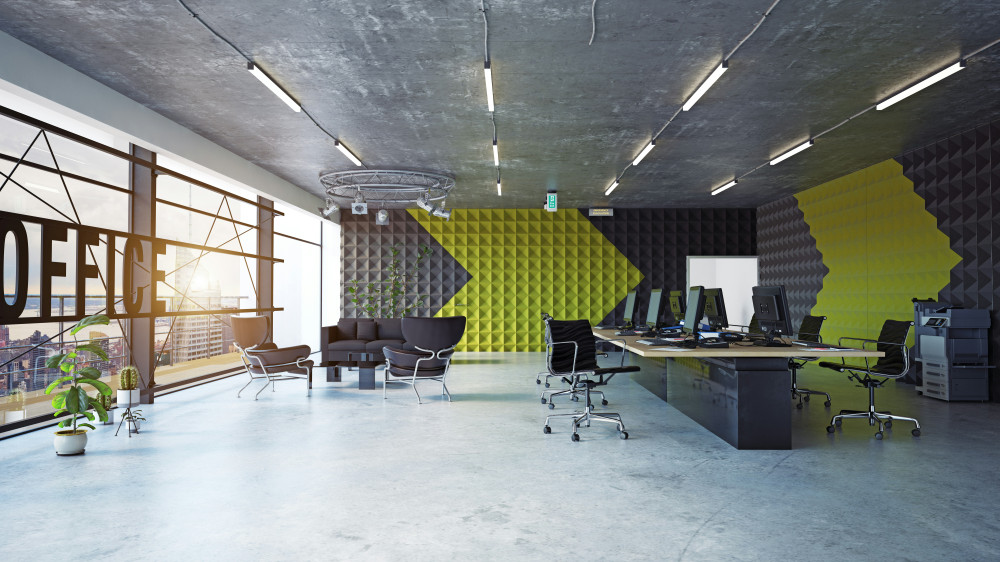
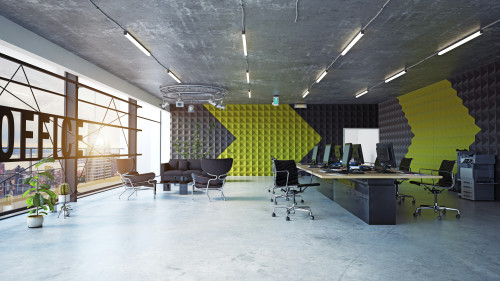
- Use sound-absorbing materials such as acoustic panels, carpets, and curtains to reduce echo and background noise.
- Design zones – quiet areas for focused work and more active zones for collaboration.
- Consider background sound – soft ambient music or “white noise” can sometimes help mask disruptive sounds.
- Offer flexibility – allow remote work or provide quiet rooms for tasks that require deep concentration.
A good acoustic environment isn’t about total silence—it’s about balance. Sound should support work, not interfere with it.
Læs også:

Light: Energy and Focus Throughout the Day
Light affects our mood, energy, and circadian rhythm. Too little or poorly designed lighting can lead to fatigue, headaches, and reduced efficiency. That’s why it’s important to consider both natural and artificial light in your office design.
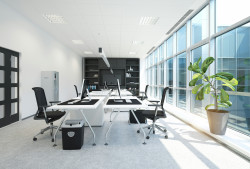
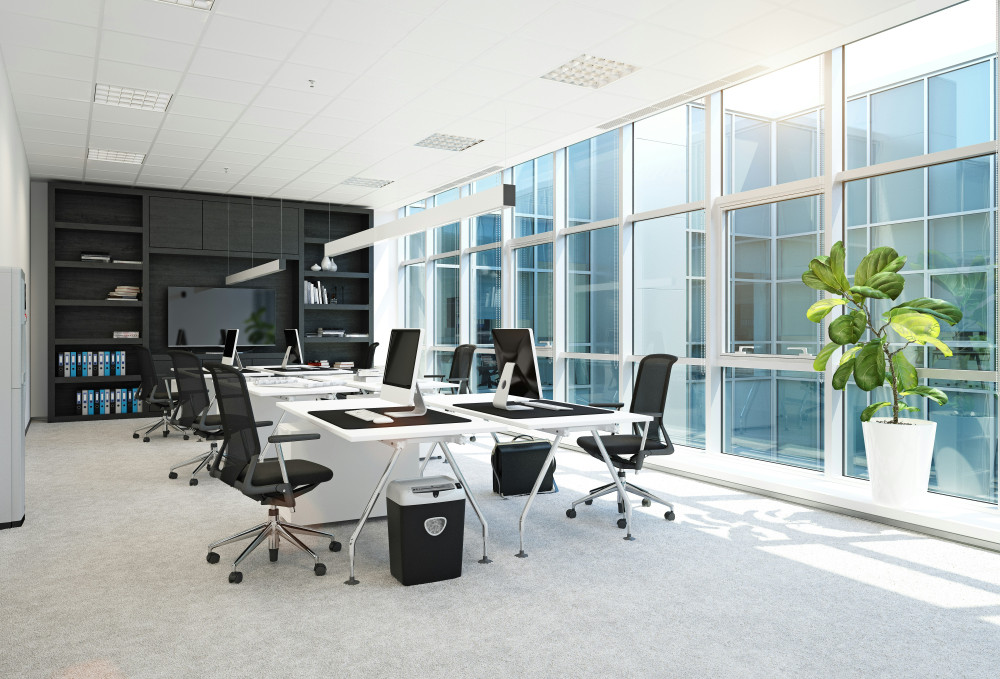
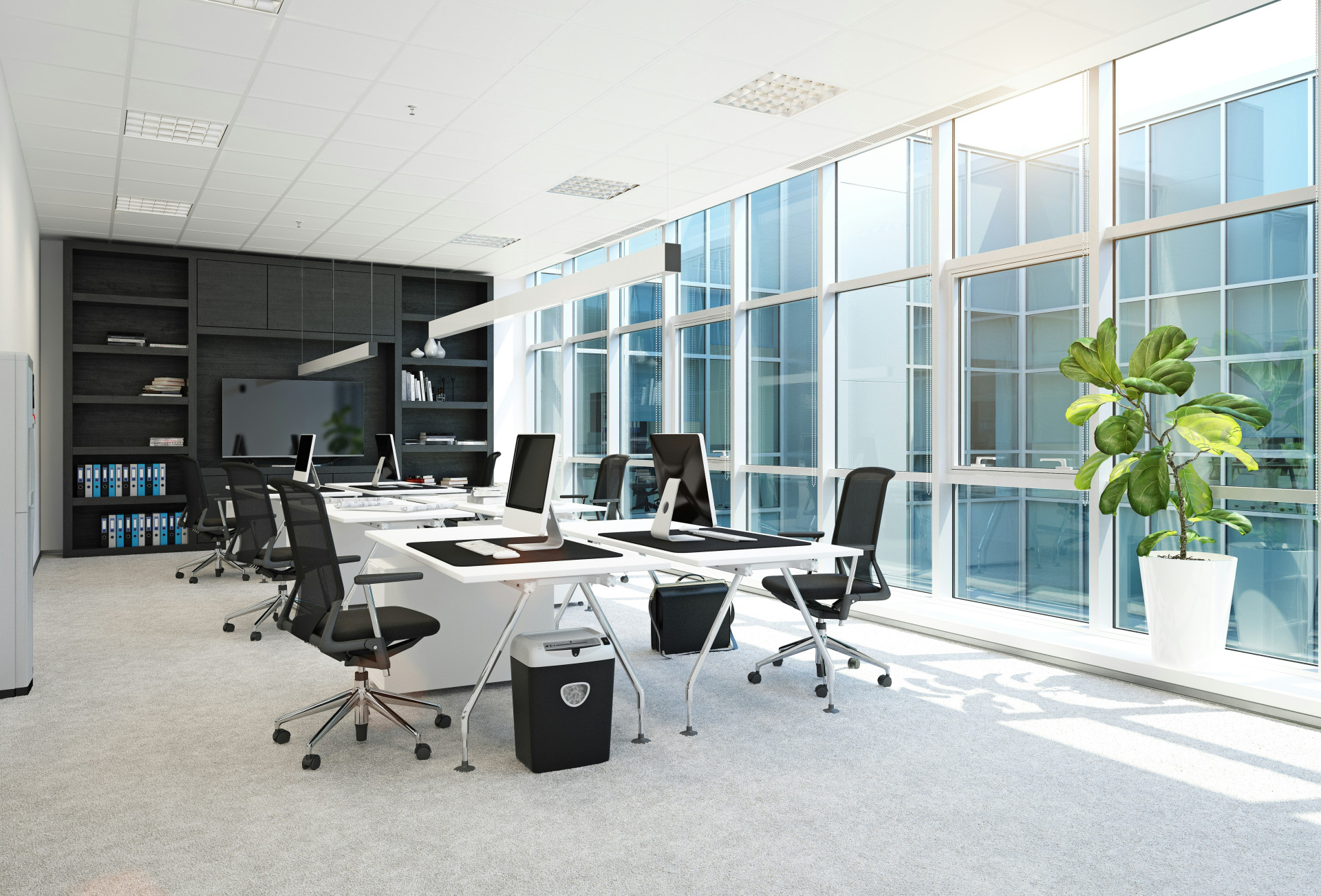
- Maximize natural light – position workstations near windows and avoid blocking daylight with tall furniture or screens.
- Add adjustable artificial lighting – LED fixtures with dimming and color temperature controls allow flexibility throughout the day.
- Prevent glare and reflections – use blinds, shades, or matte surfaces to create a comfortable visual environment.
- Think in zones – meeting rooms, common areas, and individual workspaces each require different lighting levels and tones.
A well-lit workspace can boost both well-being and productivity. The goal is to create variety and allow employees to adjust lighting to their tasks and time of day.
Air: The Invisible Essential
Air quality is often overlooked, yet it has a major impact on health and concentration. Poor ventilation can cause headaches, fatigue, and lower performance—and in the long run, increase absenteeism.
To ensure fresh air in the workplace, you can:
- Provide effective ventilation – through a modern HVAC system or by regularly opening windows when possible.
- Maintain a stable temperature – between 68°F and 74°F is ideal for most office environments.
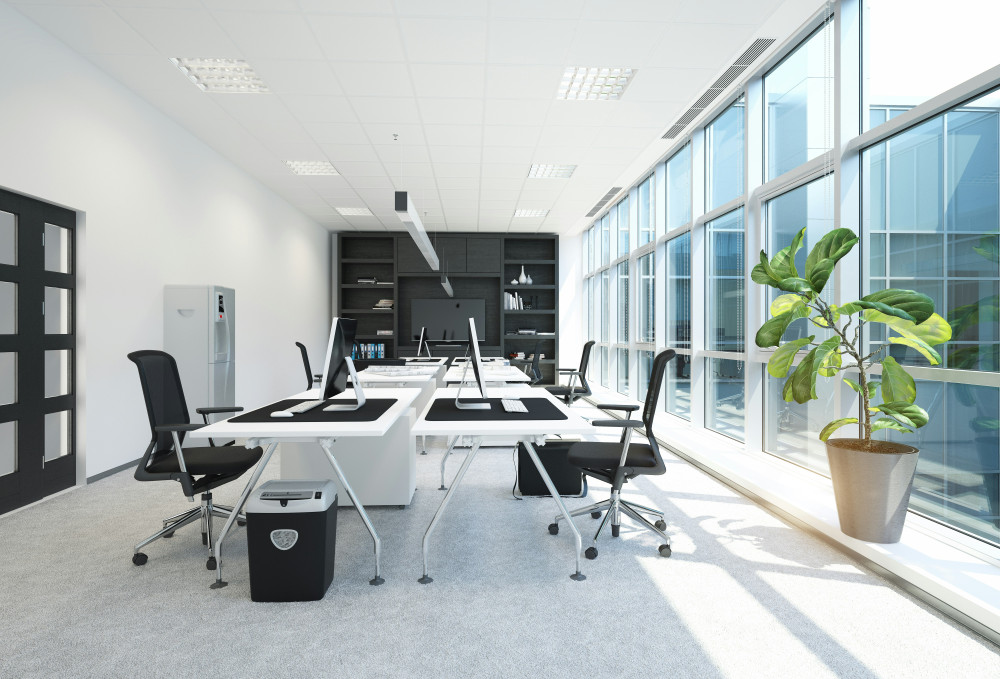
- Incorporate plants – they can help improve indoor air quality and create a more pleasant atmosphere.
- Avoid unnecessary chemicals – choose cleaning products and materials with low emissions and minimal odors.
A healthy indoor climate may not always be noticeable—but it shows in employees’ energy, focus, and overall satisfaction.
The Whole Picture: When the Senses Work Together
Sound, light, and air interact with one another. A space with good acoustics, natural light, and fresh air automatically feels more comfortable and inviting. That’s why it’s important to take a holistic approach when designing or renovating offices.
Consider involving employees in the process. They know best where the challenges are, and their input can be crucial in creating solutions that truly work in daily life.
Investing in Well-Being—and the Bottom Line
A healthy work environment isn’t just about comfort—it’s also a smart business investment. Research shows that employees who feel well physically and mentally are more productive, take fewer sick days, and are more loyal to their workplace.
By prioritizing sound, light, and air, you’re not just creating a better place to work—you’re building a space where people want to do their best.
Læs også: